Projects
About
One Bangkok
A seamless check-in experience across physical and digital spaces
Designed a physical kiosk from scratch, with a bespoke interface to help visitors self-serve their check-in process.
Lead Designer
UX Research
UI/UX
Prototyping
Kiosk Design
BACKGROUND
The State Before
The previous kiosk system was experiencing significant design and business challenges. The slow screen response and outdated design did not align with the modern aesthetic of the newly revamped lobby, failing to reflect the forward-thinking nature of the organisation. During the pandemic, the absence of a pandemic module in the kiosk check-in flow meant all visitors were directed to the security counter for registration, causing queues to build up.
Define
Key Factors to Consider
To ensure the kiosk design met its requirements, three key factors guided me during the design process.
- Enable visitors to self check-in and gain access to their visitor passes, while retaining or improving existing features.
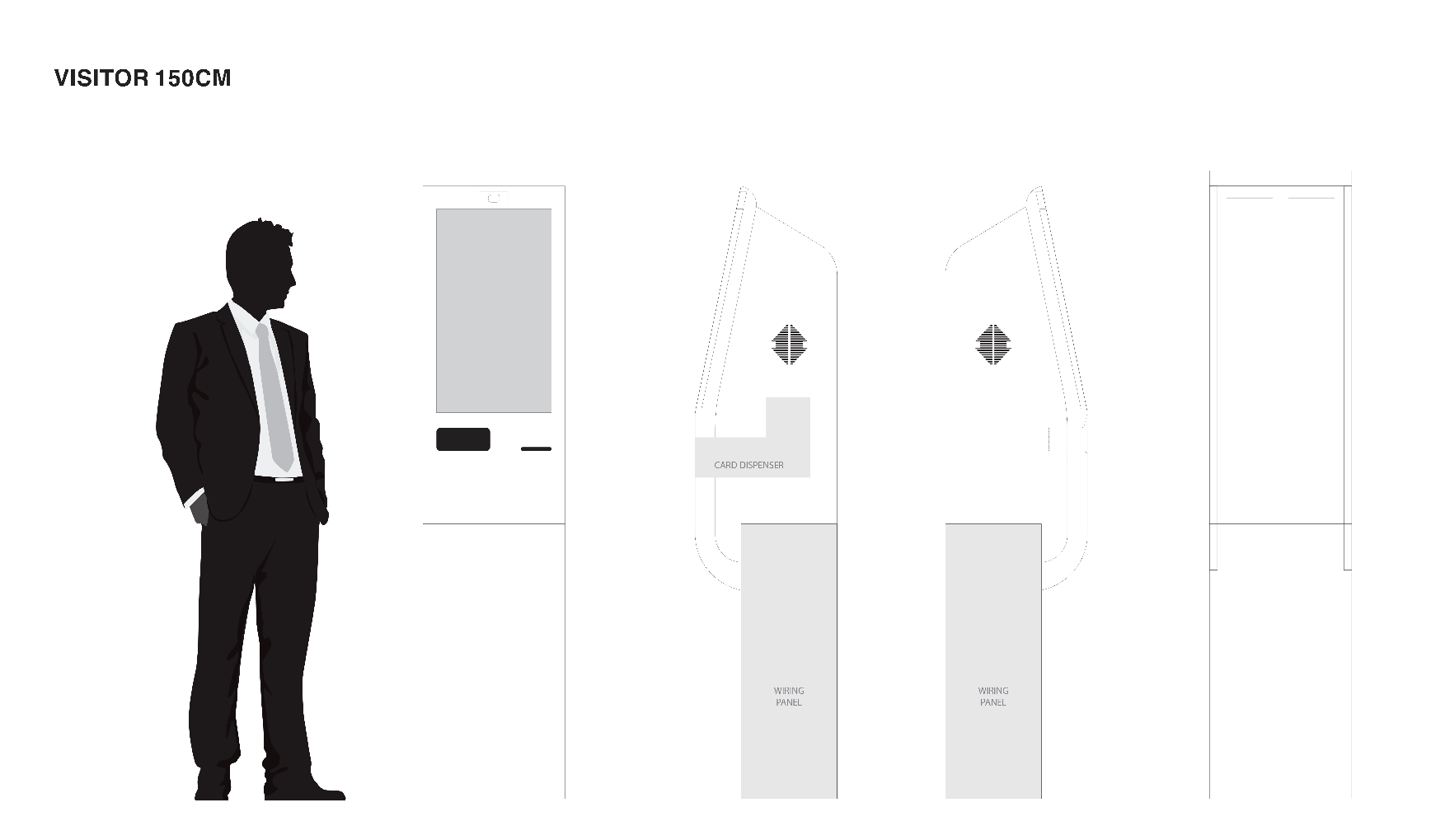
- The design had to take into account visitors of different height for reachability and human behaviour during kiosk interaction.
- The design had to integrate well with the overall environment and fit the Temasek branding.

Design Directions
I landed on four kiosk visual directions, drawing inspiration from sculpture and sci-fi elements that I have explored during my research.
Organic & Ergonomic
Fluid lines with wood-like paneling to integrate with the lobby design.
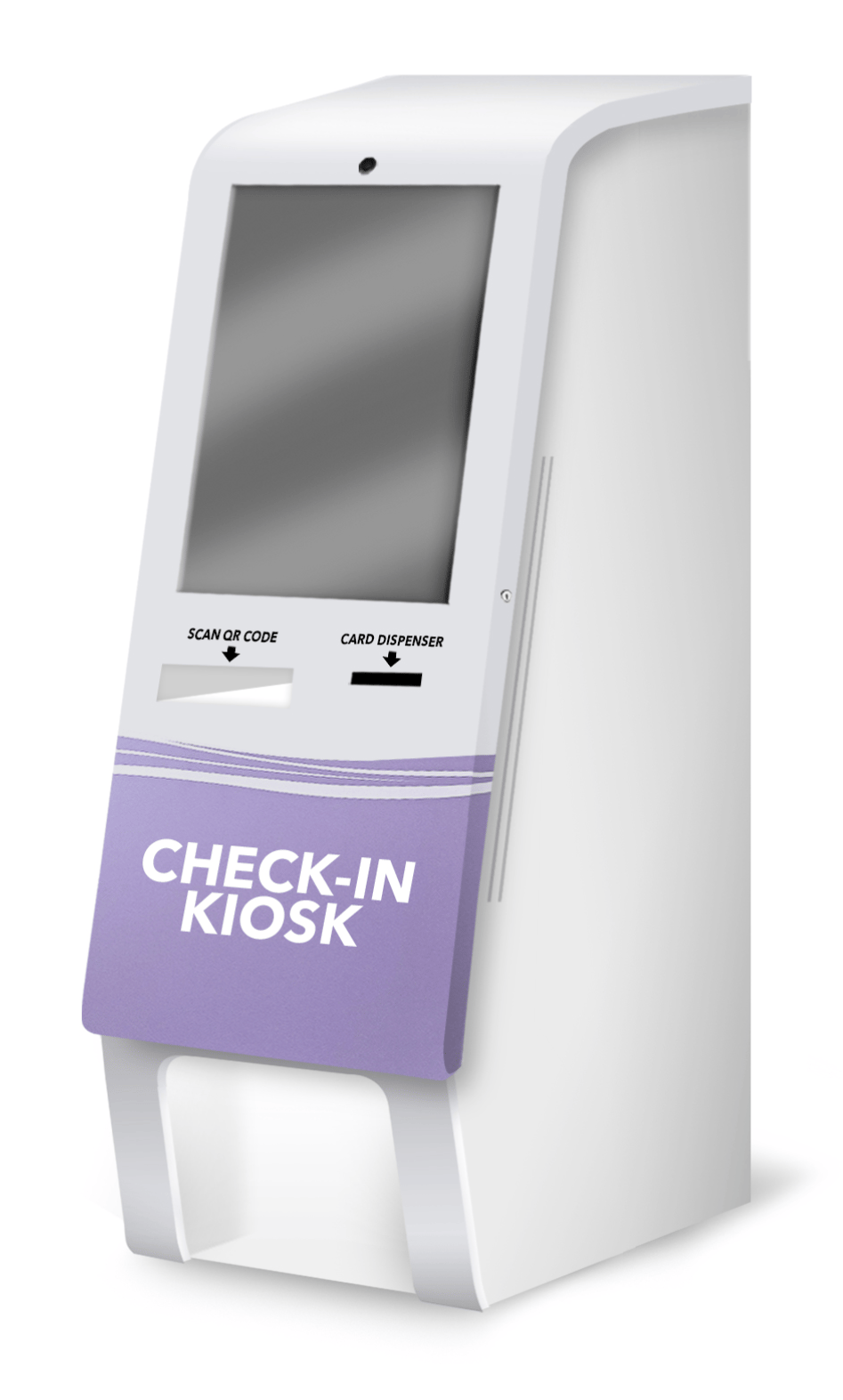
Simplicity & Purposeful
Structured frame focusing on simplicity and stability.
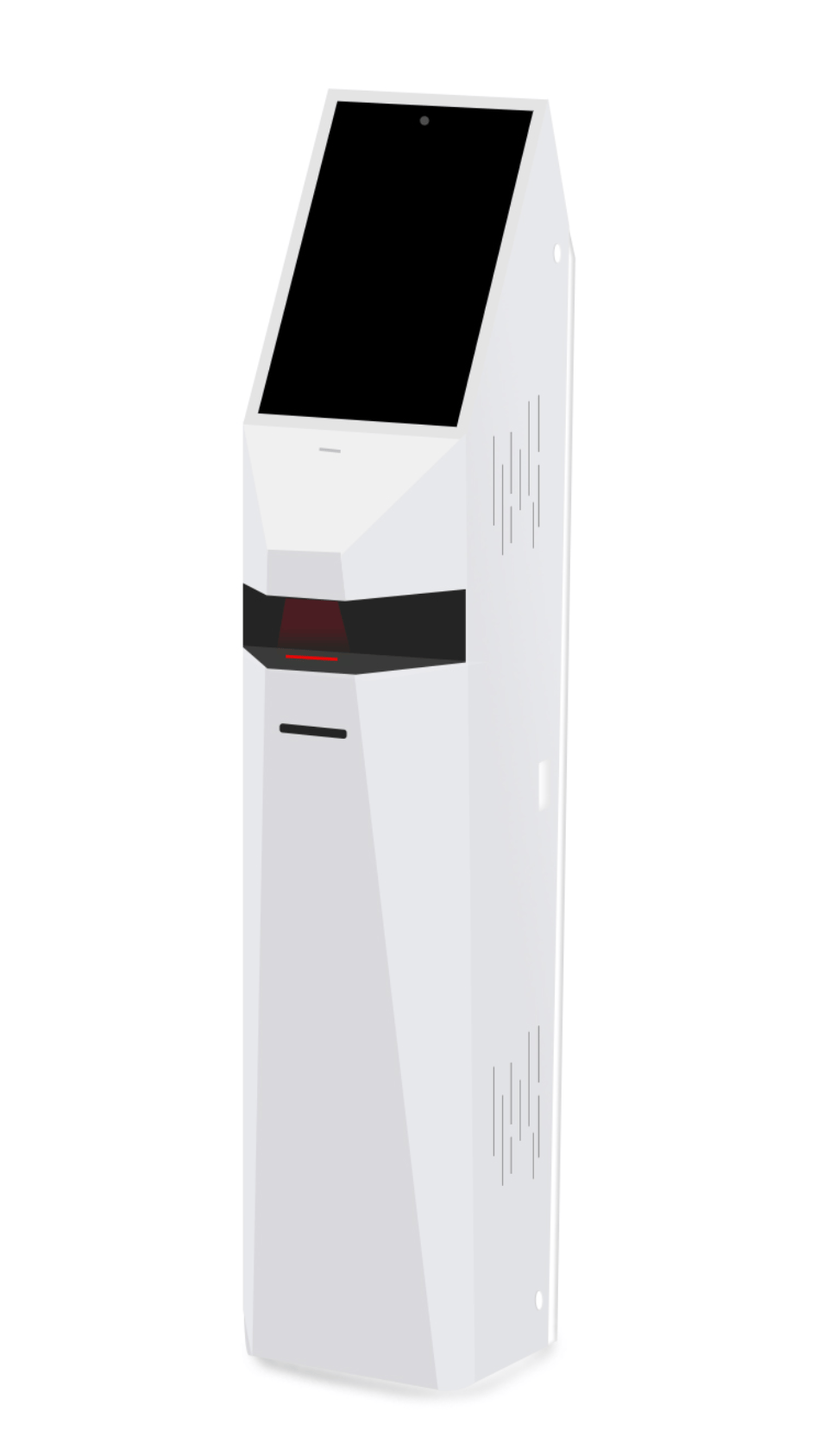
Unique & Minimalist
Geometric form with hard lines inspired by art and sci-fi.
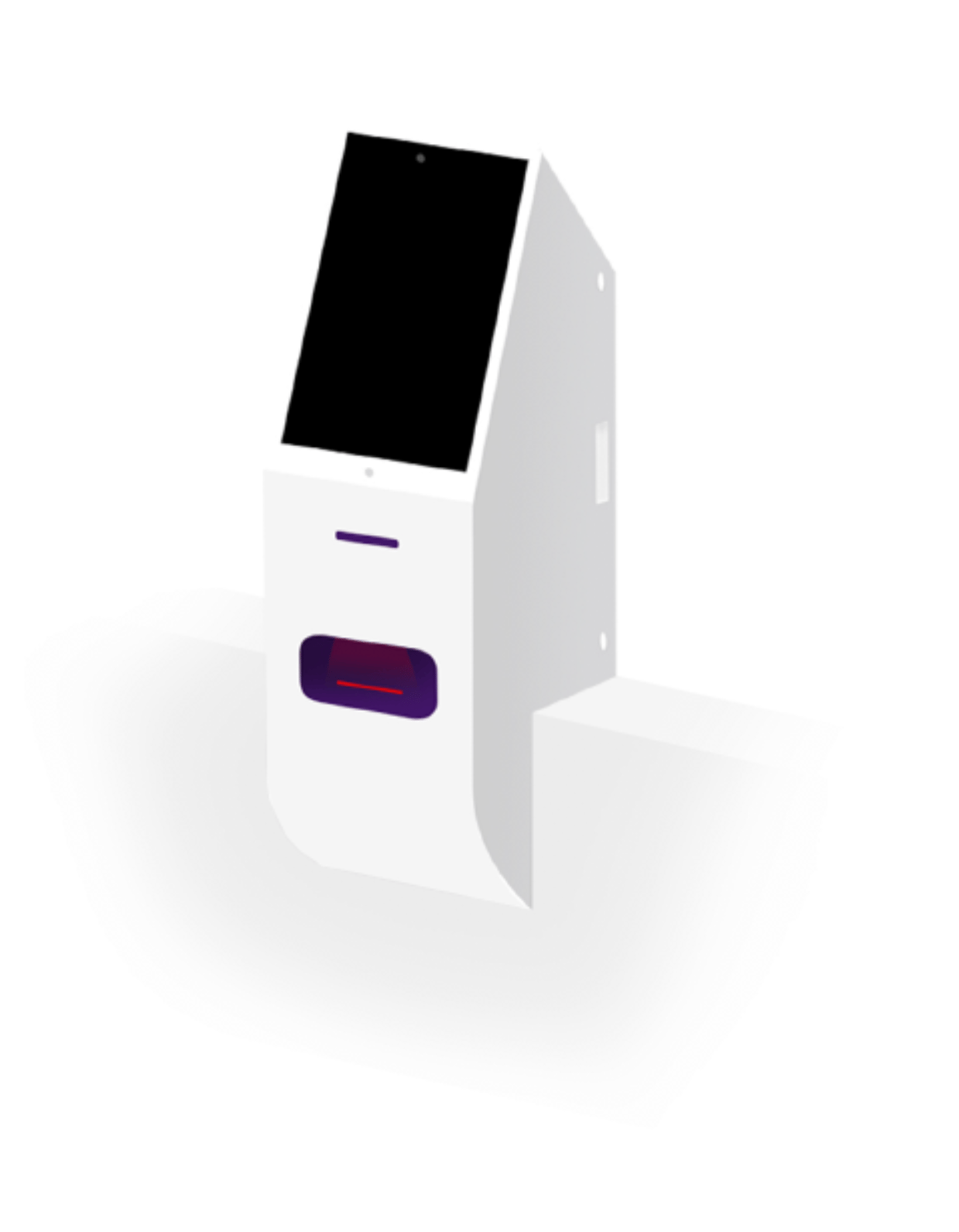
Bespoke & Compact
Floating design allows for better integration with cabling panel.

Design Decisions
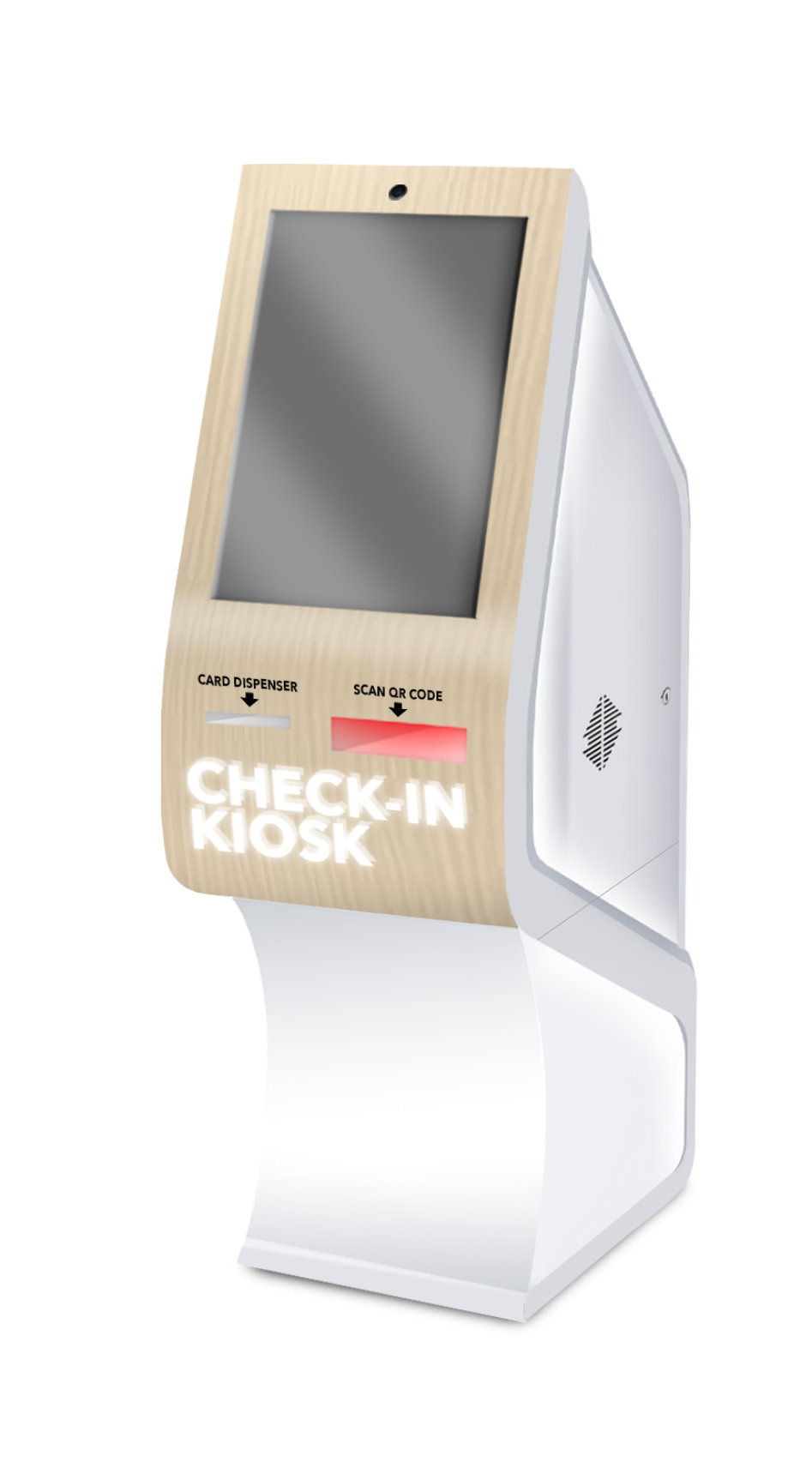
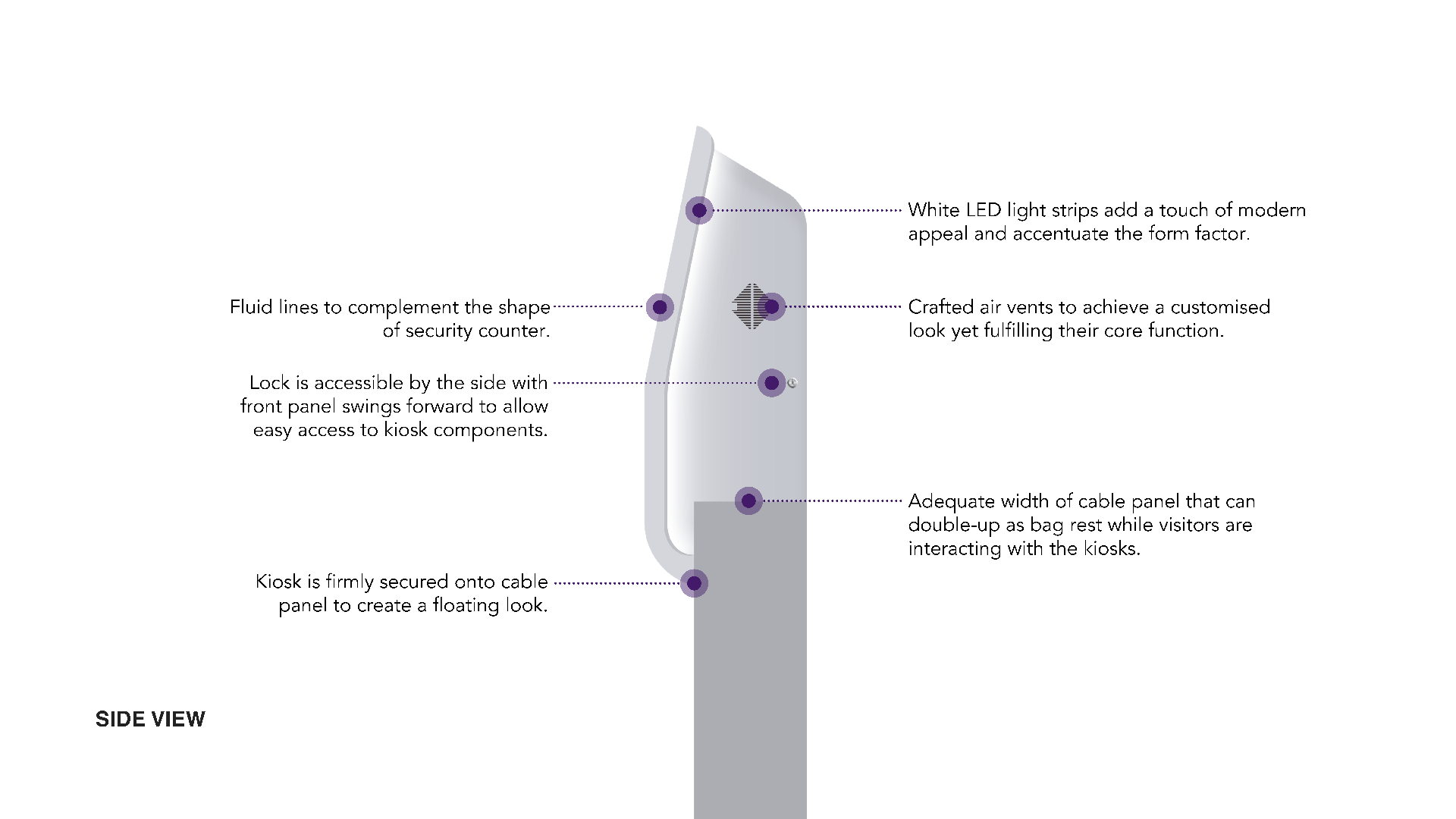
To merge the design of Organic & Ergonomic with Bespoke & Compact and integrate it with the cabling panel as an elevated kiosk.
Test & Learn
Prototype
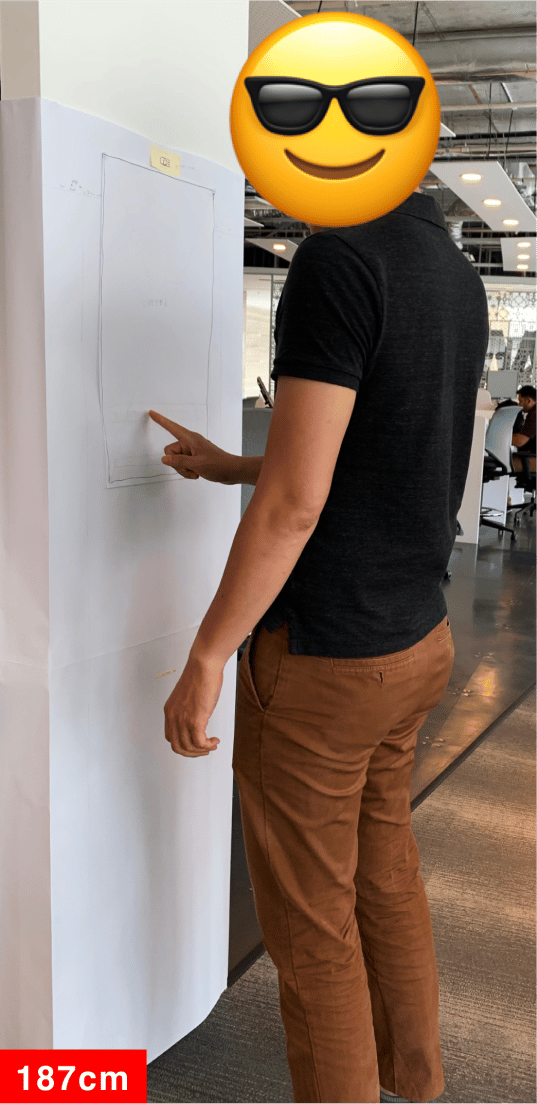
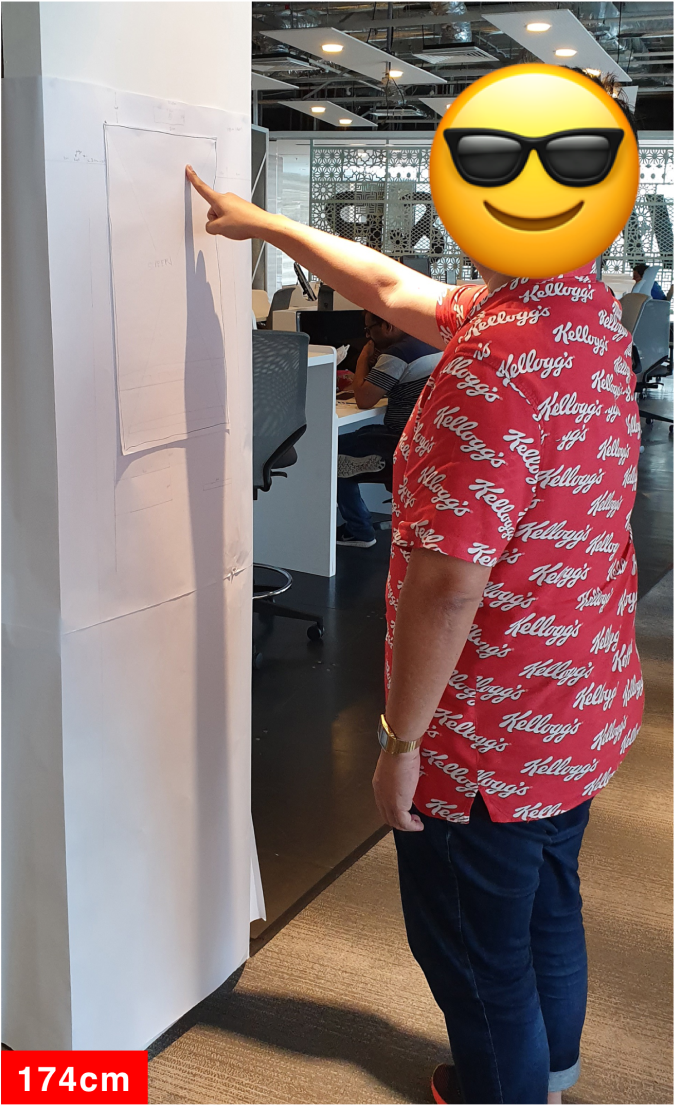
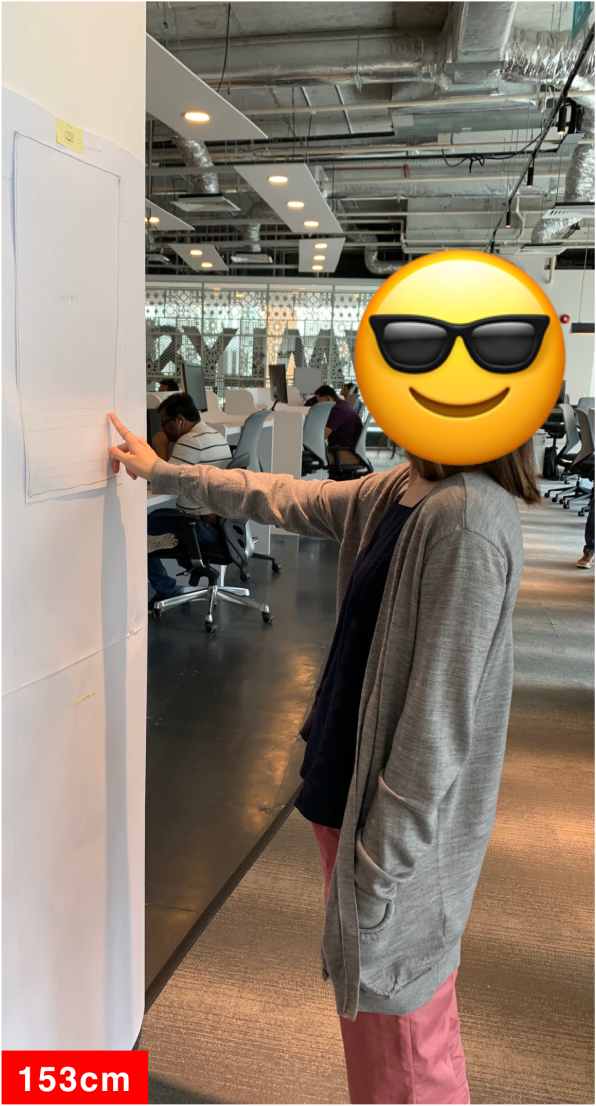
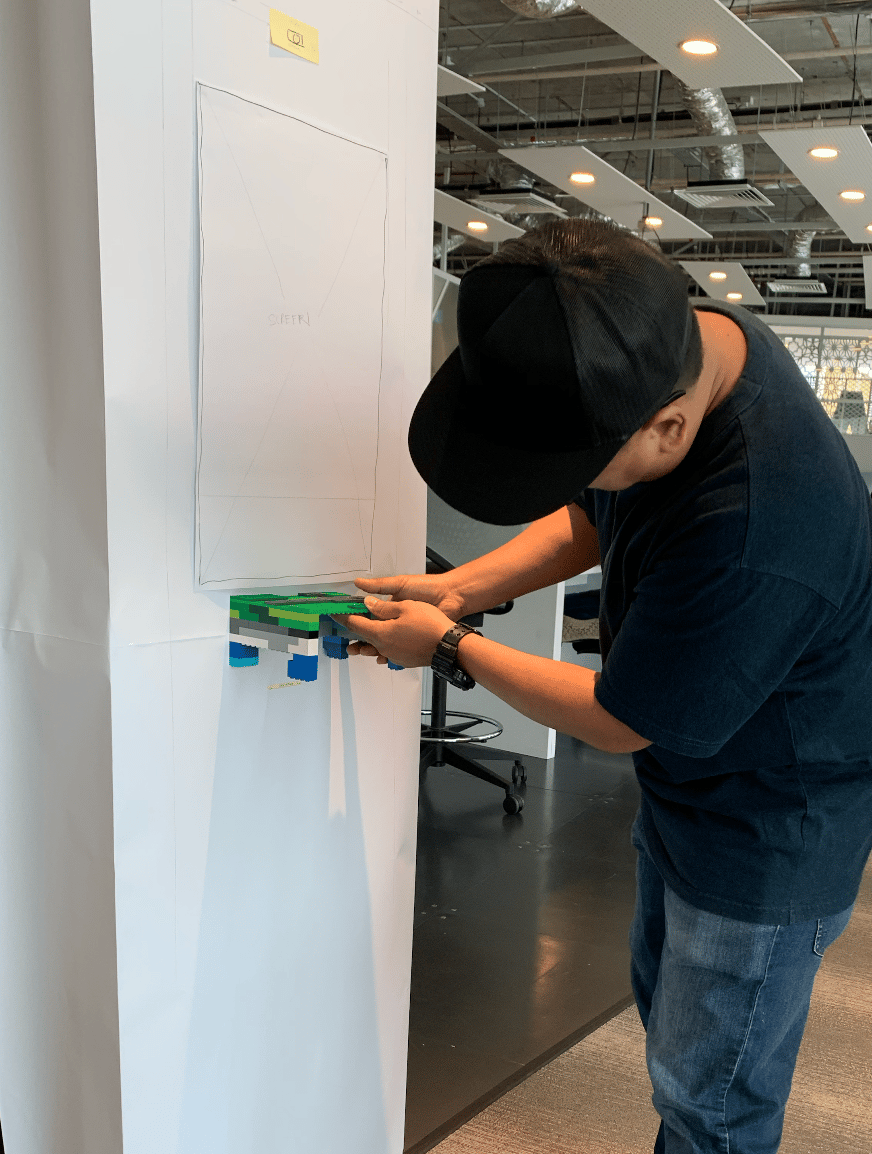
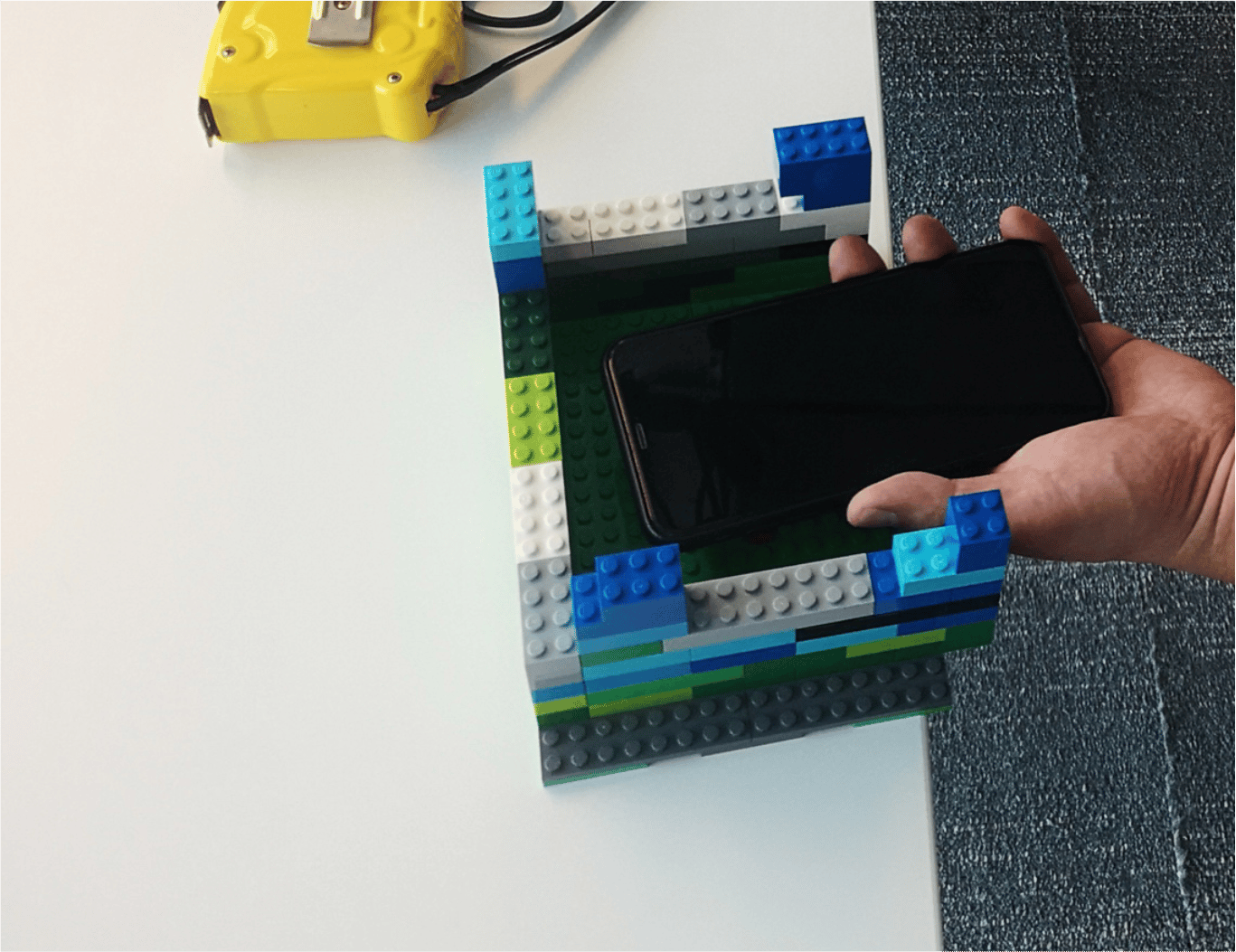
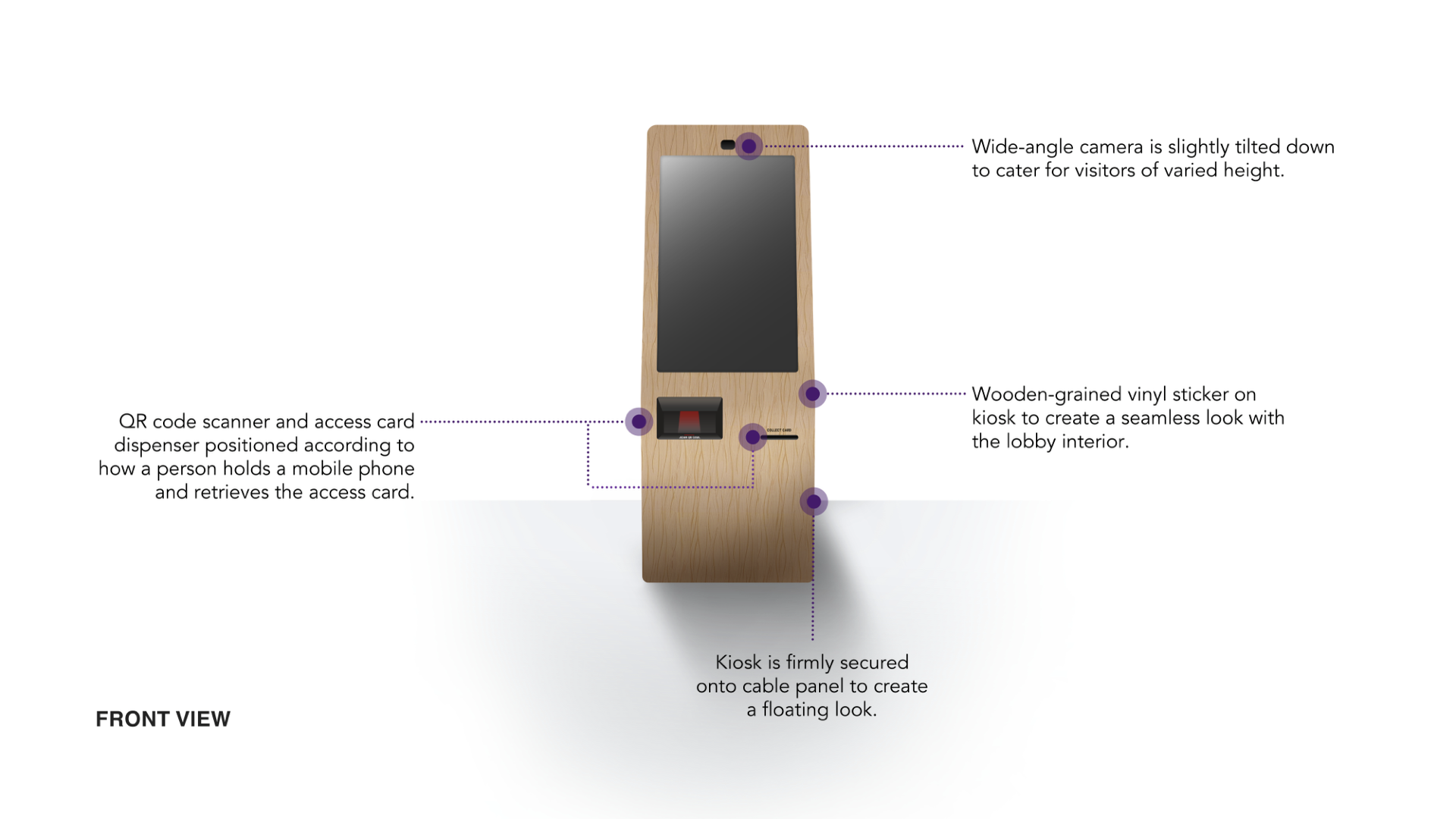
Before redesigning the kiosk, I sketched a flat layout to scale on large paper and tested it with colleagues. This helped me determine the best placement for the touchscreen, camera for facial scanning, QR code scanner and card dispenser. I also built a Lego block prototype to simulate the QR code scanner’s opening, ensuring it’s the right size and user-friendly.
Height and Reachability
Kiosk Design
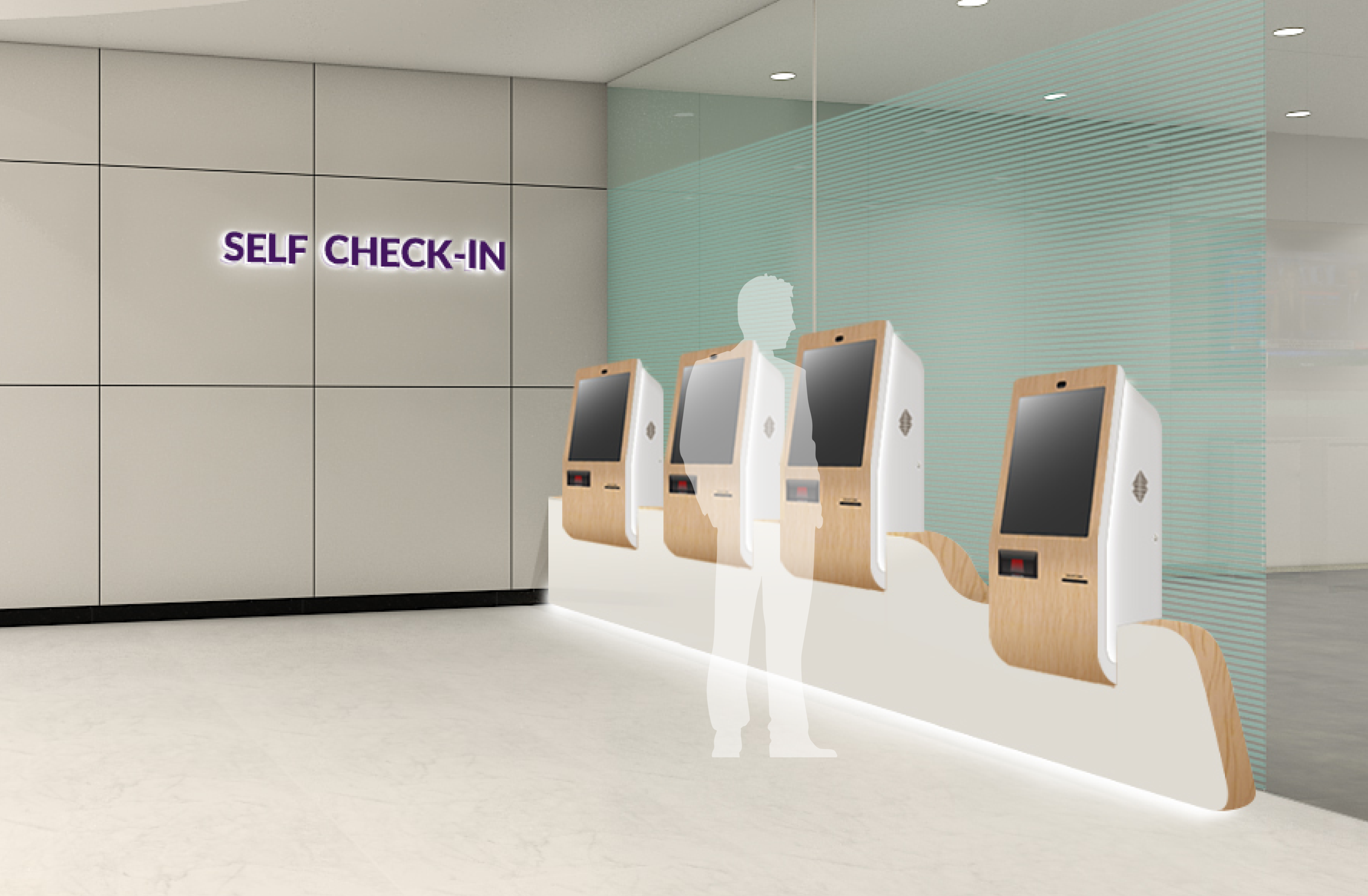
Design
Interface Design
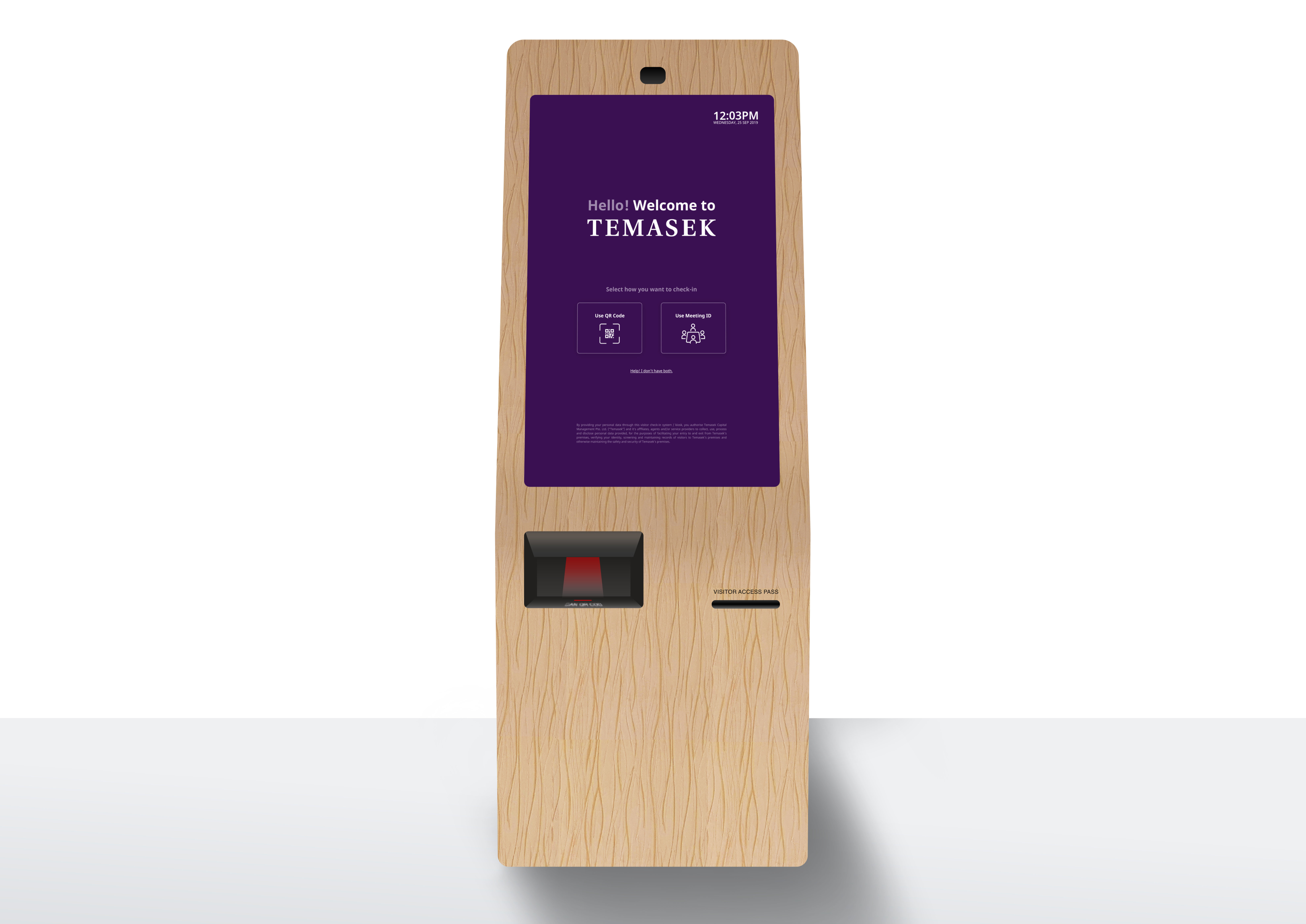
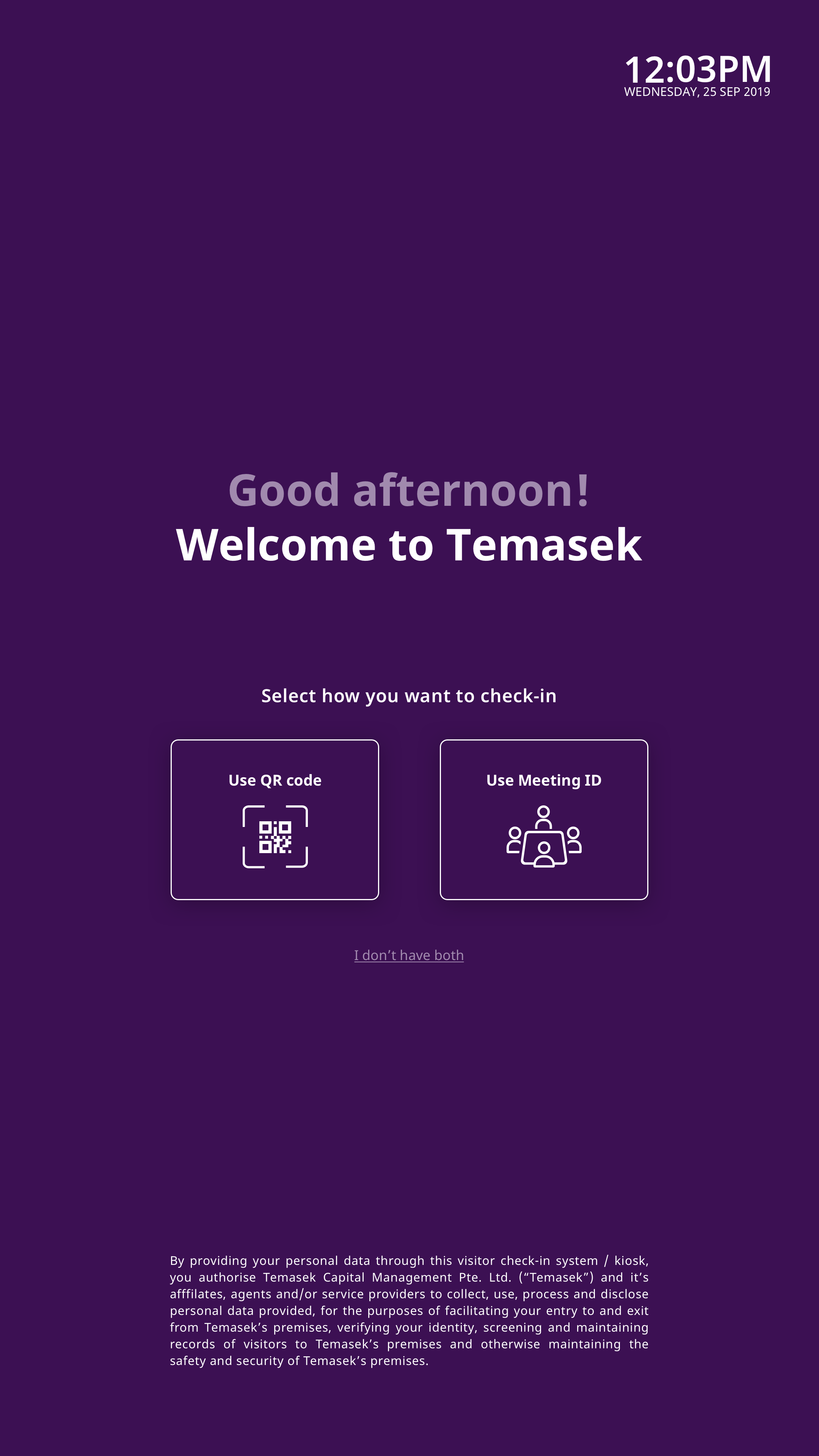
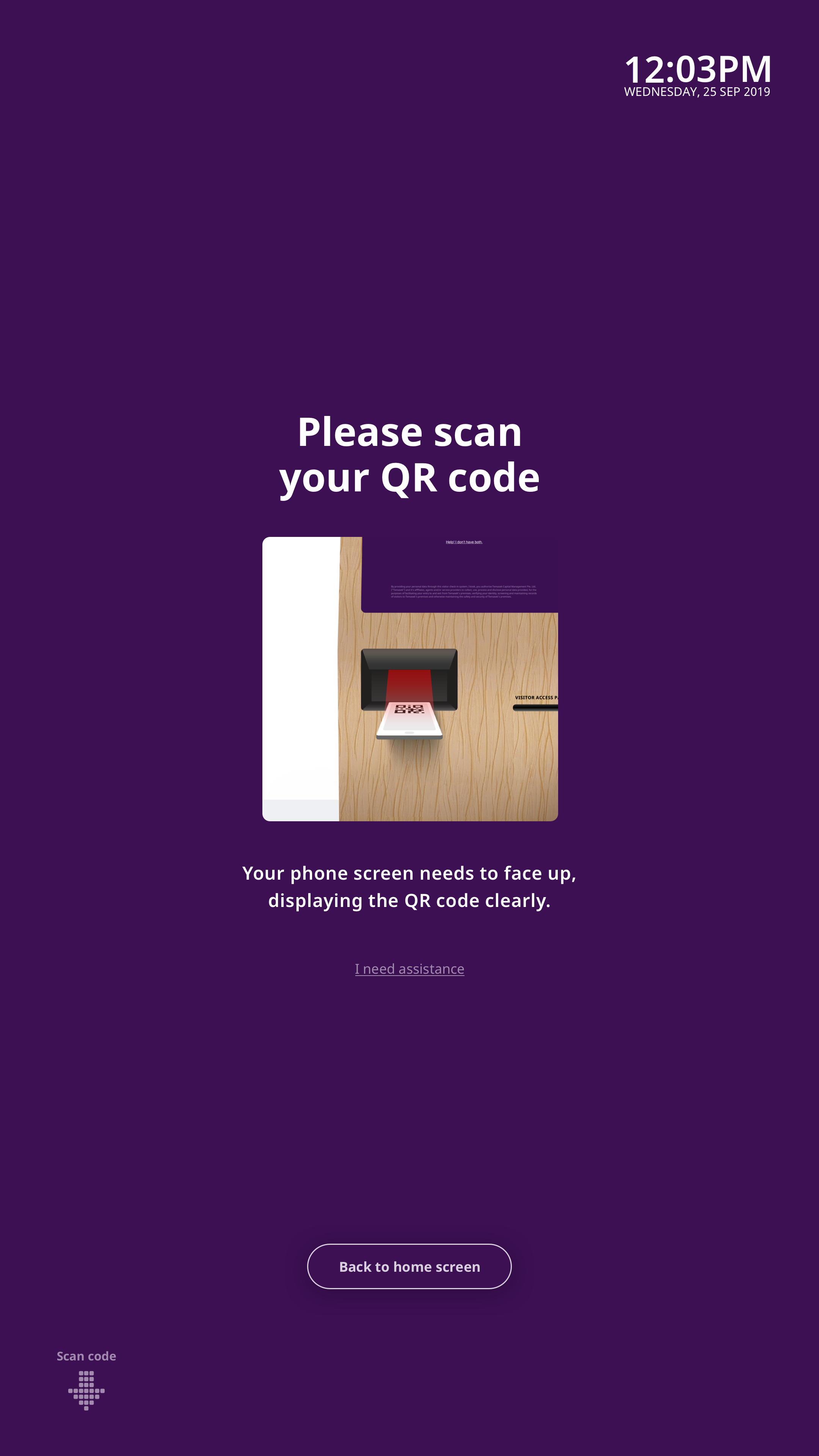
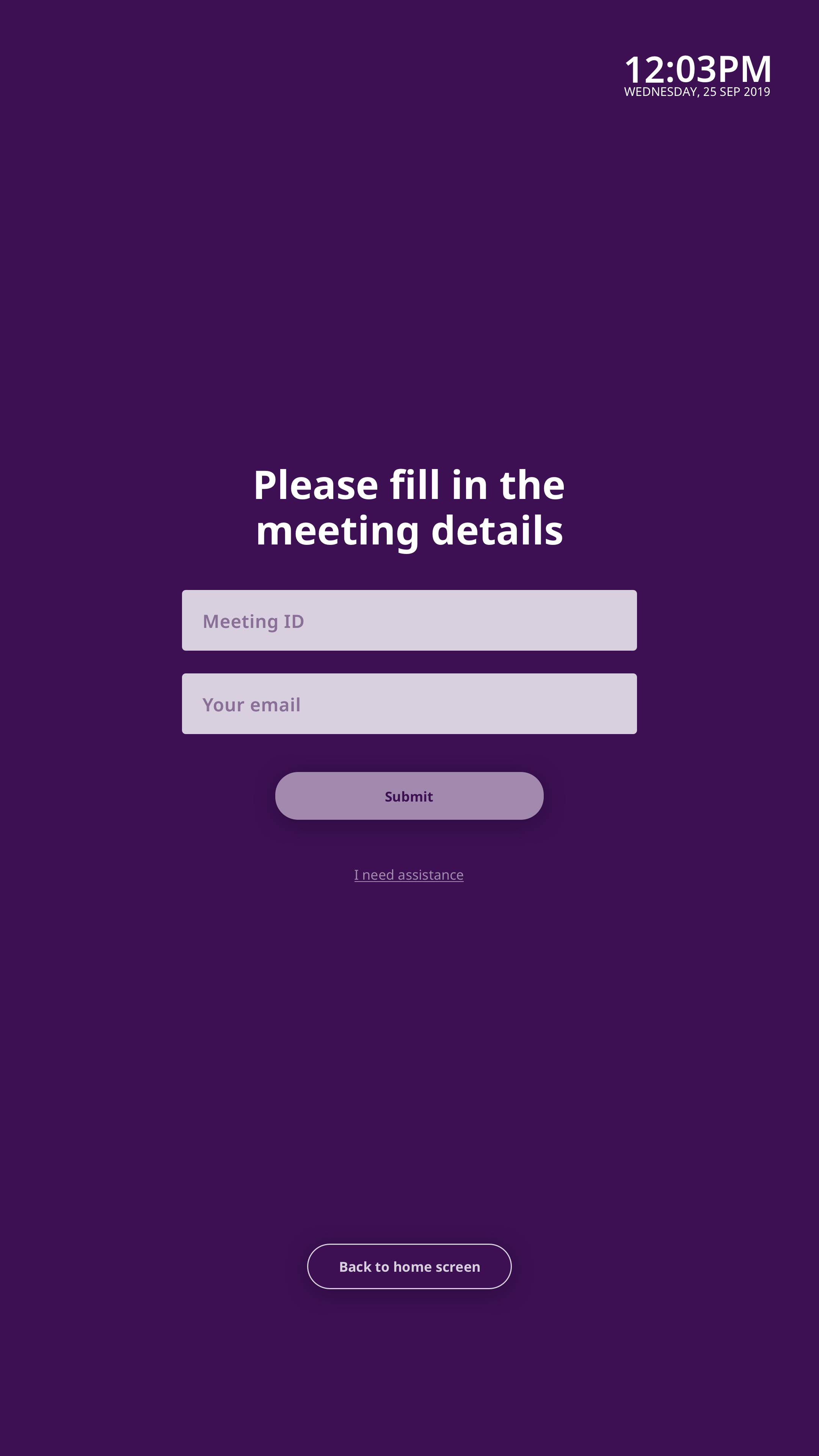
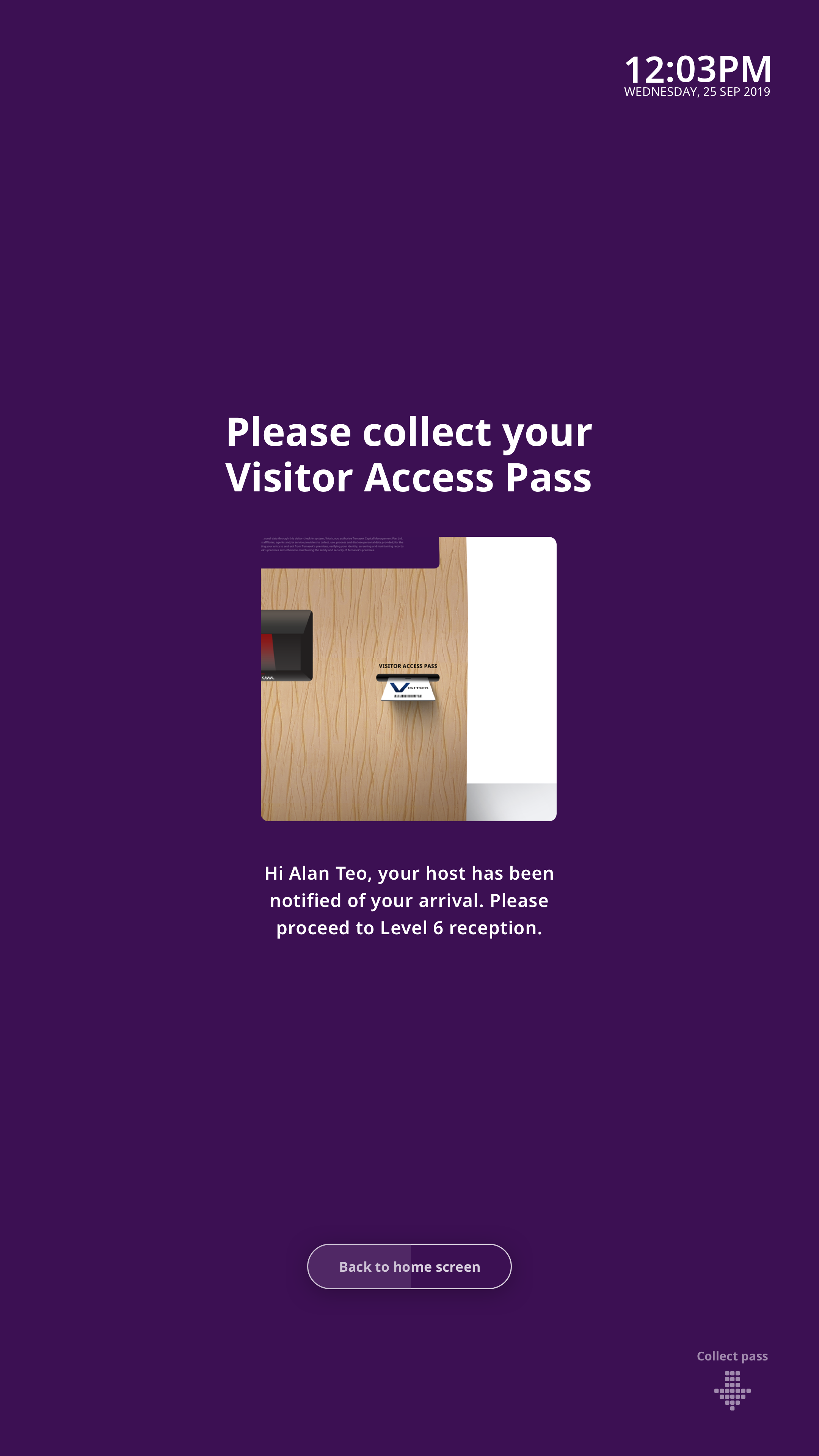
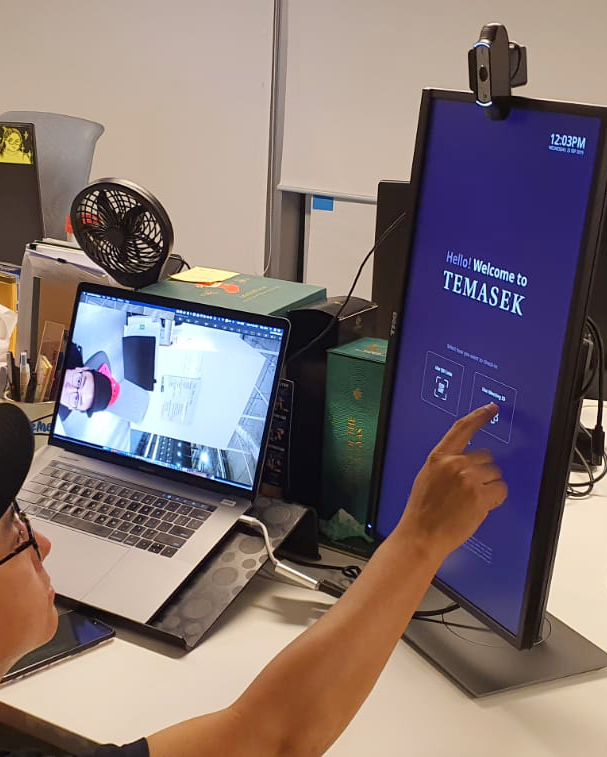
The interface design was carefully crafted to ensure a smooth and efficient user experience. This includes everything from registering details to scanning the appointment QR code and collecting the visitor pass.
Fabrication
Fabrication
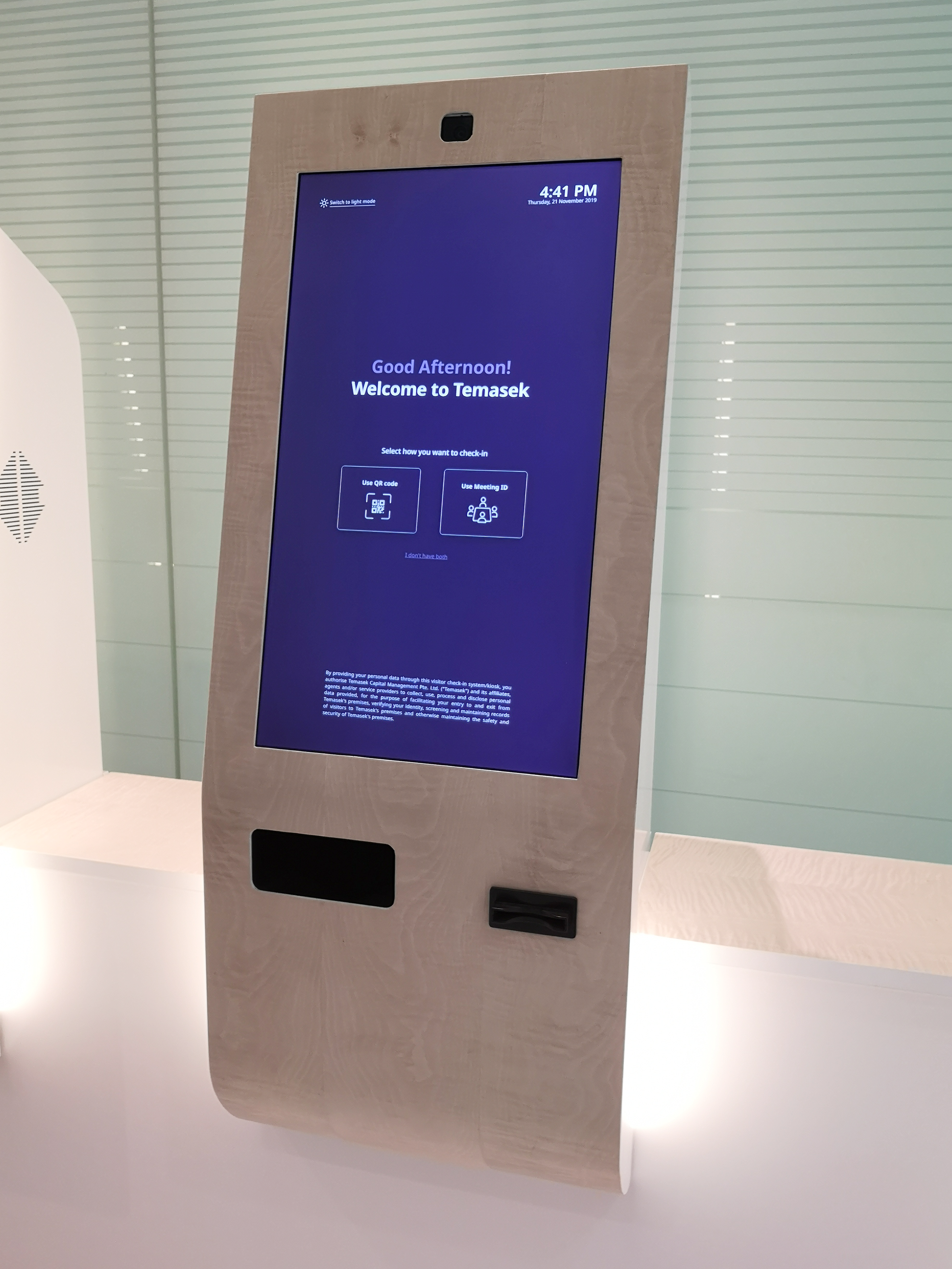
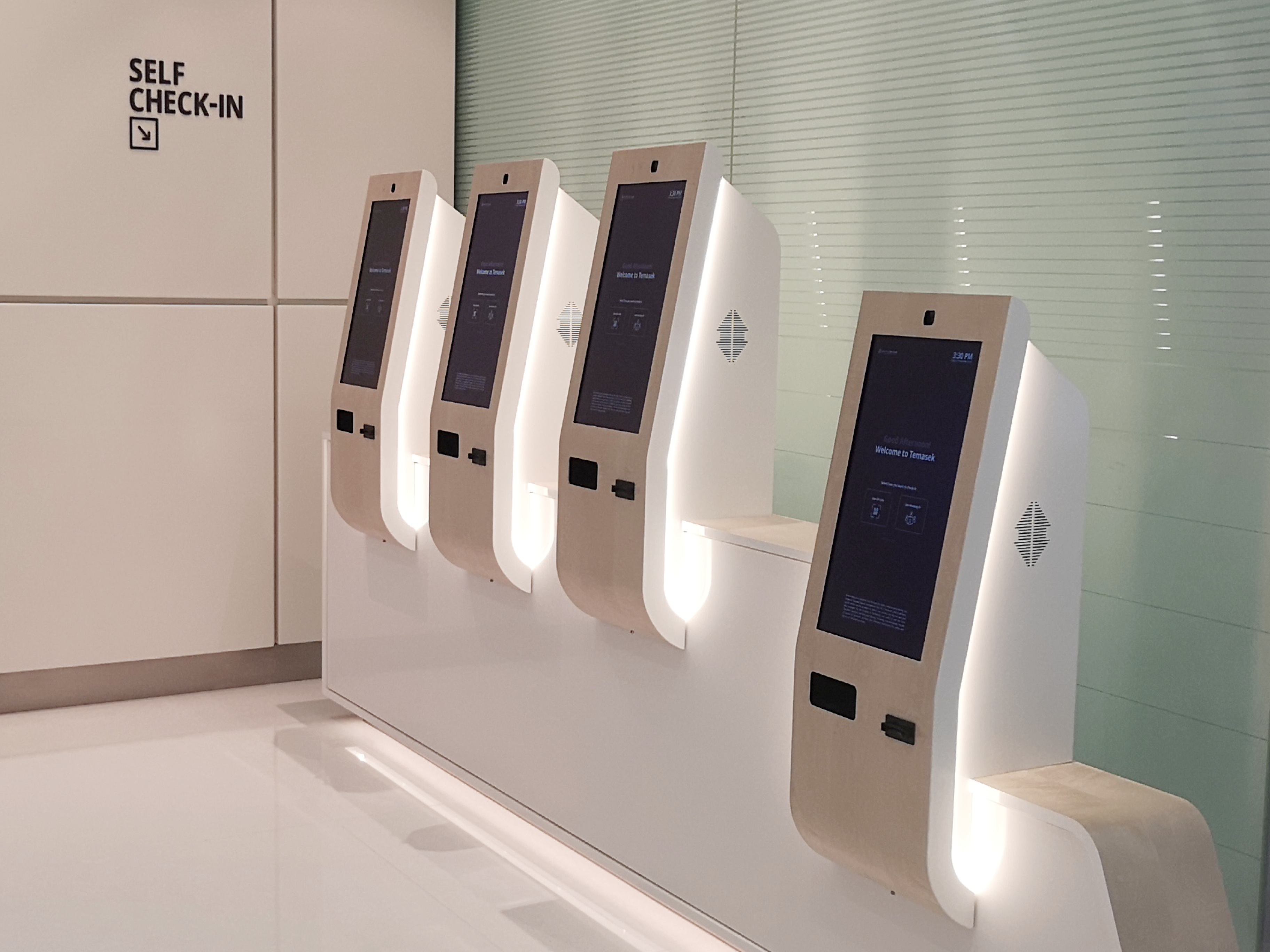
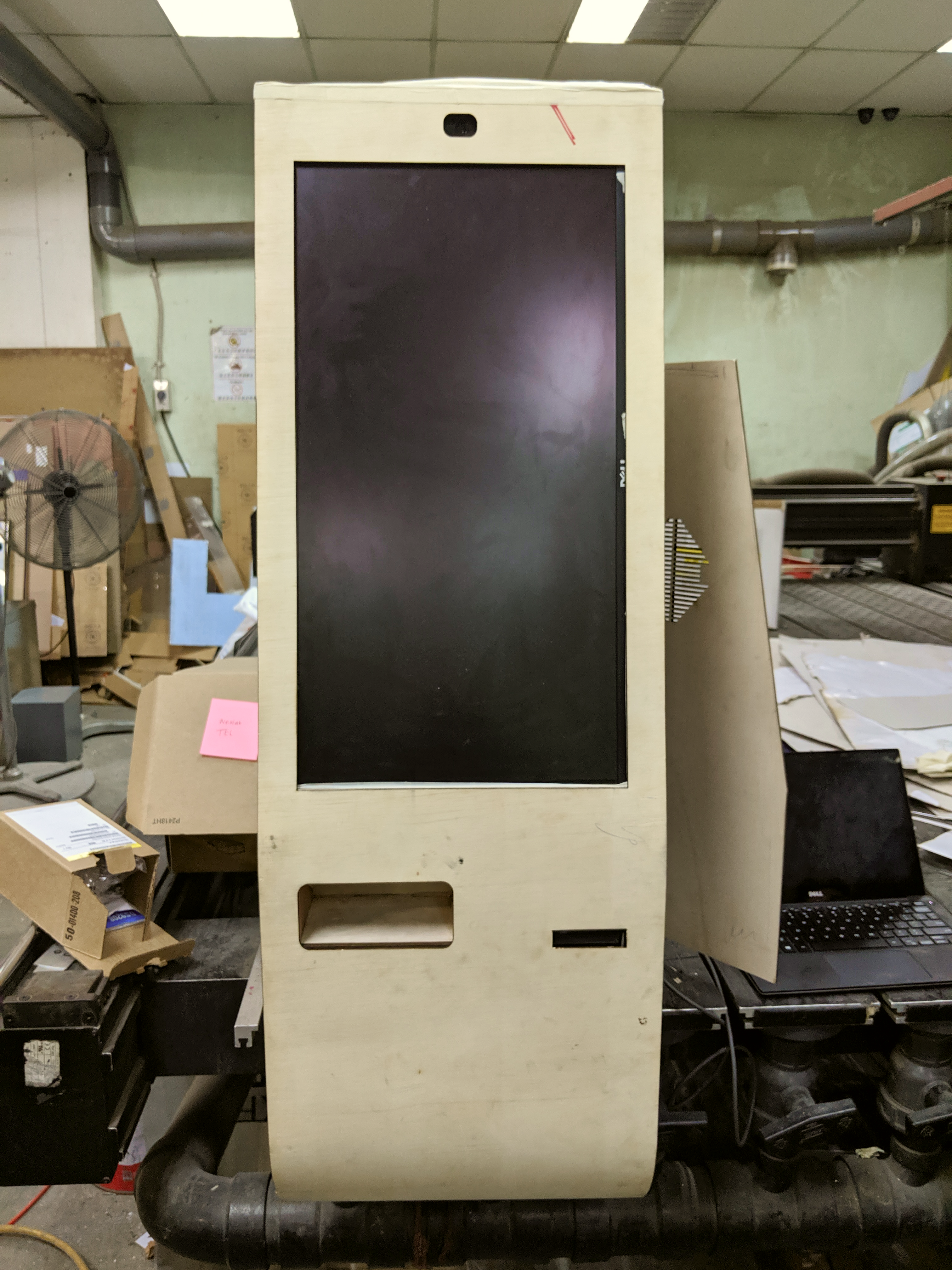
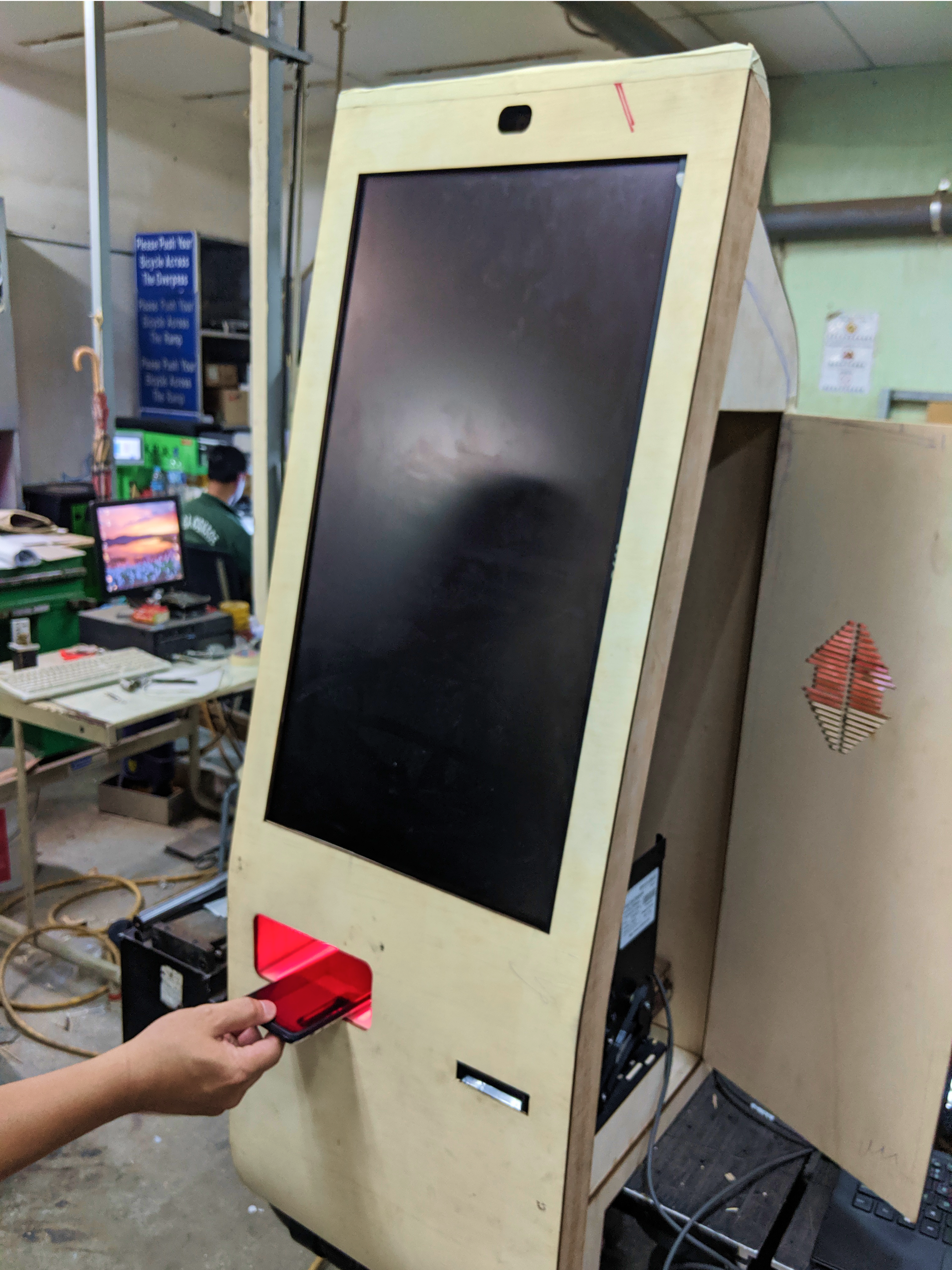
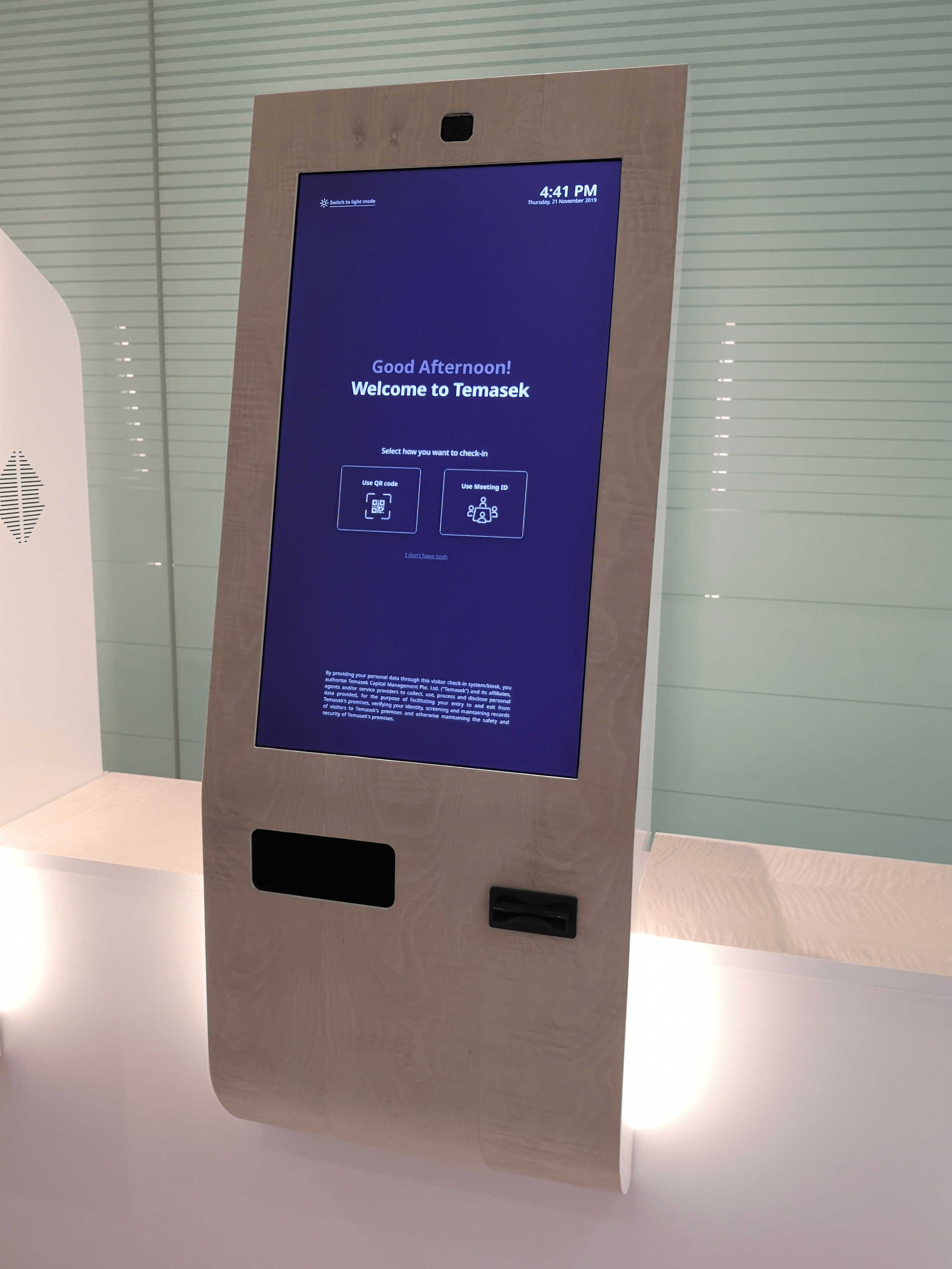
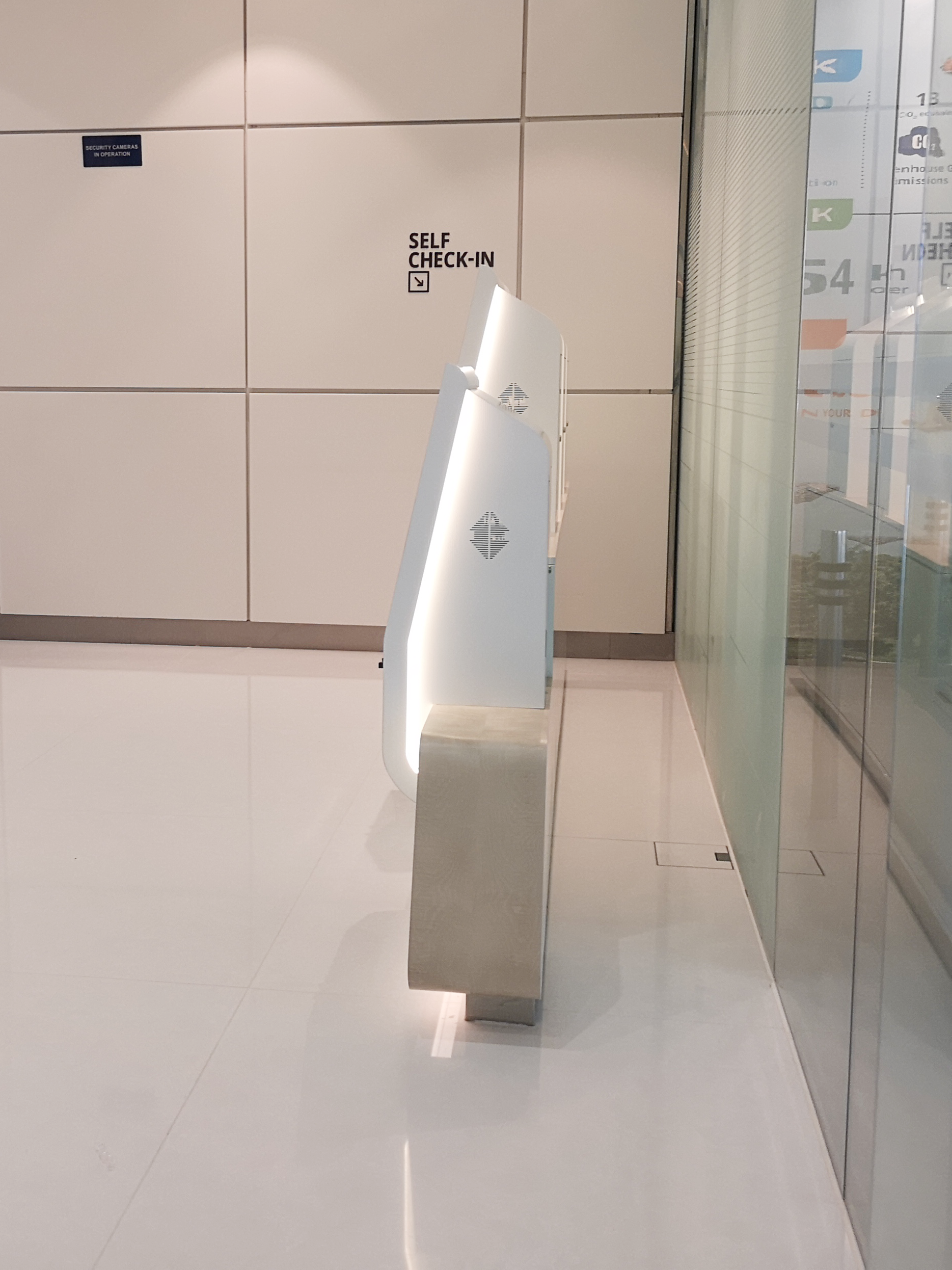
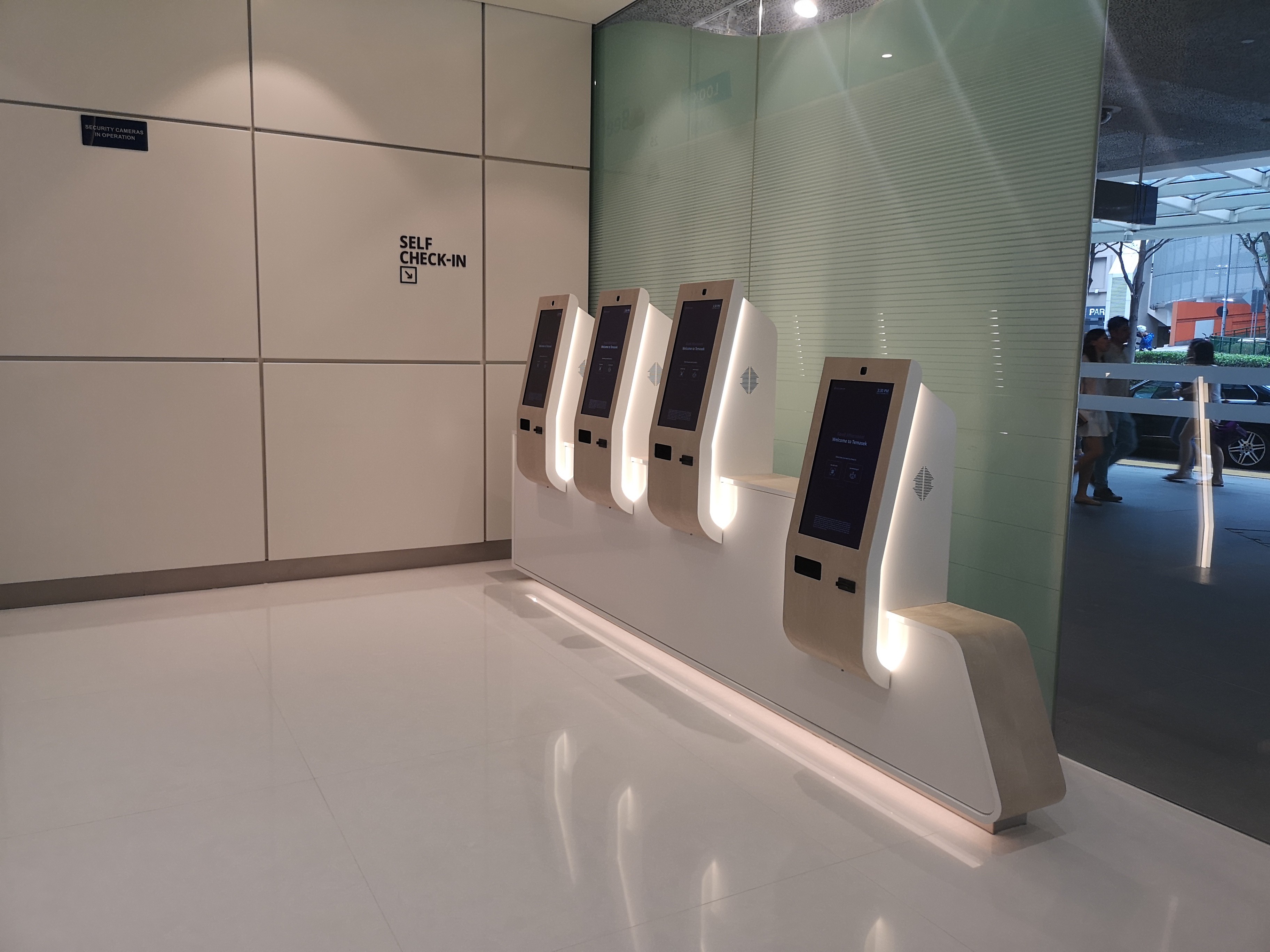
A considerable amount of time and effort went into both the fabrication and installation of the kiosks. This included meticulous attention to detail and precise measurements. Testing of the camera angle was also undertaken to ensure accurate facial capture, even for wheelchair users.
Actual Kiosk
Projects
About
One Bangkok
A seamless check-in experience across physical and digital spaces
Designed a physical kiosk from scratch, with a bespoke interface to help visitors self-serve their check-in process.
Lead Designer
UX Research
UI/UX
Prototyping
Kiosk Design
BACKGROUND
The State Before
The previous kiosk system was experiencing significant design and business challenges. The slow screen response and outdated design did not align with the modern aesthetic of the newly revamped lobby, failing to reflect the forward-thinking nature of the organisation. During the pandemic, the absence of a pandemic module in the kiosk check-in flow meant all visitors were directed to the security counter for registration, causing queues to build up.
Define
Key Factors to Consider
To ensure the kiosk design met its requirements, three key factors guided me during the design process.
- Enable visitors to self check-in and gain access to their visitor passes, while retaining or improving existing features.
- The design had to take into account visitors of different height for reachability and human behaviour during kiosk interaction.
- The design had to integrate well with the overall environment and fit the Temasek branding.
Design Directions
I landed on four kiosk visual directions, drawing inspiration from sculpture and sci-fi elements that I have explored during my research.
Organic & Ergonomic
Fluid lines with wood-like paneling to integrate with the lobby design.
Simplicity & Purposeful
Structured frame focusing on simplicity and stability.
Unique & Minimalist
Geometric form with hard lines inspired by art and sci-fi.
Bespoke & Compact
Floating design allows for better integration with cabling panel.
Design Decisions
To merge the design of Organic & Ergonomic with Bespoke & Compact and integrate it with the cabling panel as an elevated kiosk.
Test & Learn
Prototype
Before redesigning the kiosk, I sketched a flat layout to scale on large paper and tested it with colleagues. This helped me determine the best placement for the touchscreen, camera for facial scanning, QR code scanner and card dispenser. I also built a Lego block prototype to simulate the QR code scanner’s opening, ensuring it’s the right size and user-friendly.
Height and Reachability
Kiosk Design
Design
Interface Design
The interface design was carefully crafted to ensure a smooth and efficient user experience. This includes everything from registering details to scanning the appointment QR code and collecting the visitor pass.
Fabrication
Fabrication
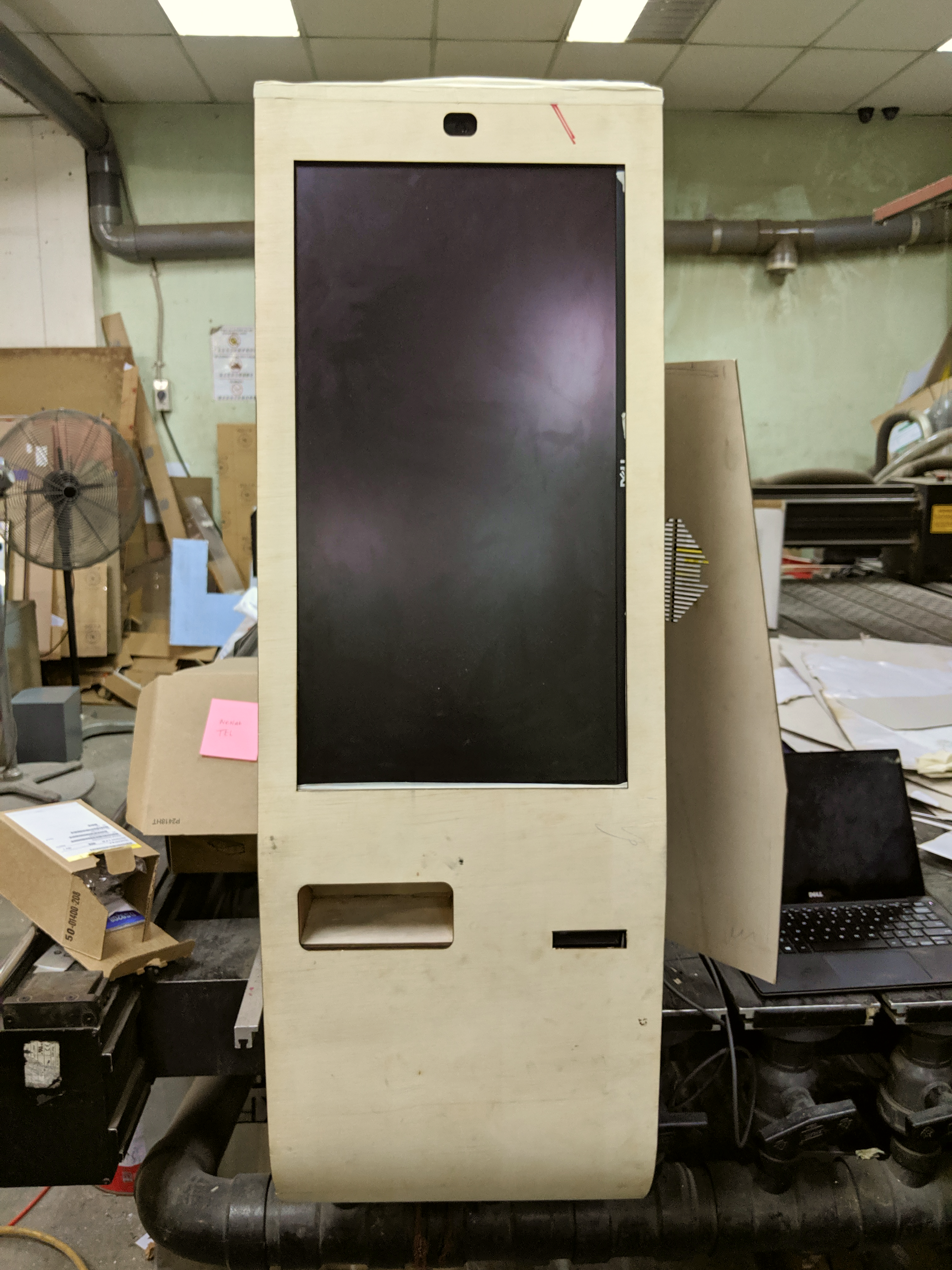
A considerable amount of time and effort went into both the fabrication and installation of the kiosks. This included meticulous attention to detail and precise measurements. Testing of the camera angle was also undertaken to ensure accurate facial capture, even for wheelchair users.
Actual Kiosk
Projects
About
Temasek Visitor Experience
A seamless check-in experience across physical and digital spaces
Designed a physical kiosk from scratch, with a bespoke interface to help visitors self-serve their check-in process.
Lead Designer
UX Research
UI/UX
Prototyping
Kiosk Design
BACKGROUND
The State Before
The previous kiosk system was experiencing significant design and business challenges. The slow screen response and outdated design did not align with the modern aesthetic of the newly revamped lobby, failing to reflect the forward-thinking nature of the organisation. During the pandemic, the absence of a pandemic module in the kiosk check-in flow meant all visitors were directed to the security counter for registration, causing queues to build up.
Define
Key Factors to Consider
To ensure the kiosk design met its requirements, three key factors guided me during the design process.
- Enable visitors to self check-in and gain access to their visitor passes, while retaining or improving existing features.
- The design had to take into account visitors of different height for reachability and human behaviour during kiosk interaction.
- The design had to integrate well with the overall environment and fit the Temasek branding.

Design Directions
I landed on four kiosk visual directions, drawing inspiration from sculpture and sci-fi elements that I have explored during my research.
Organic & Ergonomic
Fluid lines with wood-like paneling to integrate with the lobby design.
Simplicity & Purposeful
Structured frame focusing on simplicity and stability.
Unique & Minimalist
Geometric form with hard lines inspired by art and sci-fi.
Bespoke & Compact
Floating design allows for better integration with cabling panel.

Design Decisions
To merge the design of Organic & Ergonomic with Bespoke & Compact and integrate it with the cabling panel as an elevated kiosk.
Test & Learn
Prototype
Before redesigning the kiosk, I sketched a flat layout to scale on large paper and tested it with colleagues. This helped me determine the best placement for the touchscreen, camera for facial scanning, QR code scanner and card dispenser. I also built a Lego block prototype to simulate the QR code scanner’s opening, ensuring it’s the right size and user-friendly.
Height and Reachability
Kiosk Design
Design
Interface Design
The interface design was carefully crafted to ensure a smooth and efficient user experience. This includes everything from registering details to scanning the appointment QR code and collecting the visitor pass.
Implement
Fabrication
A considerable amount of time and effort went into both the fabrication and installation of the kiosks. This included meticulous attention to detail and precise measurements. Testing of the camera angle was also undertaken to ensure accurate facial capture, even for wheelchair users.
Actual Kiosk